Bone grafting is one of the most important “foundation-building” procedures in modern dentistry. At Pruitt & Earp Dentistry in Greenville, NC, dental bone grafts are commonly used to rebuild jawbone that has been lost due to tooth extraction, gum disease, or long-term missing teeth. If you’ve been told you need a bone graft before a dental implant
—or immediately after a tooth is removed—you’re not alone. Bone grafting is a safe, predictable procedure that helps patients throughout Greenville, Pitt County, and Eastern North Carolina maintain strong, healthy smiles for the long term.
What Is a Dental Bone Graft?
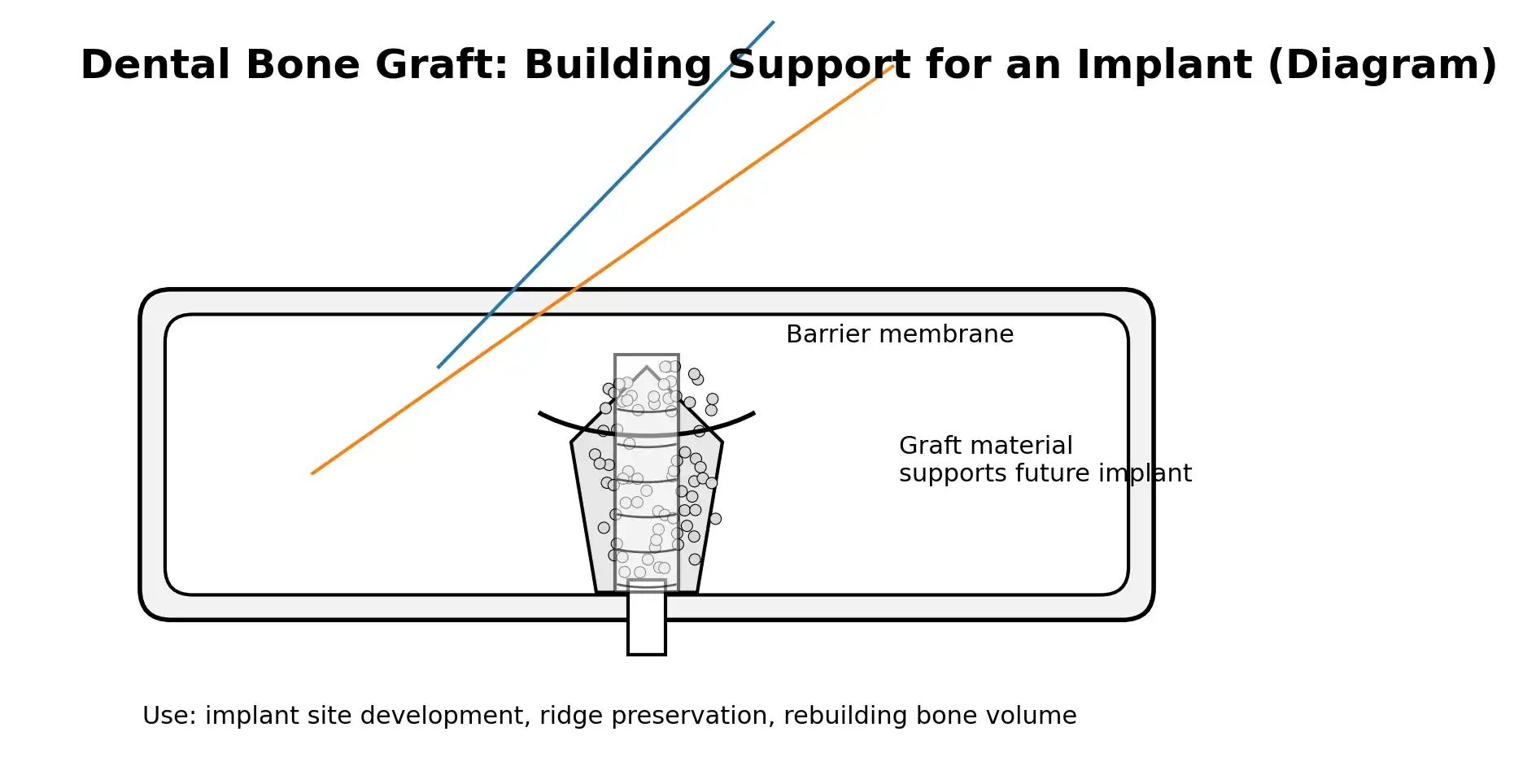
A dental bone graft is a procedure where grafting material is placed in areas of the jaw that lack sufficient bone. Over time, the body integrates this material and replaces it with natural bone, restoring strength and volume to the jaw.
Bone loss commonly occurs after tooth extraction because the jaw no longer receives stimulation from the tooth root. Without intervention, this can lead to bite problems, shifting teeth, facial collapse, and difficulty placing dental implants.
dental implants.
Why Are Bone Grafts Used in Dentistry?
Dental bone grafts are recommended to restore lost bone, preserve jaw structure, and improve long-term treatment outcomes. At our Greenville dental office, bone grafting is most often used for:
- Dental implants: Creating the bone support needed for long-lasting
implant success. - After extractions: Preserving the socket and reducing shrinkage following
tooth removal. - Gum disease care: Supporting areas affected by advanced periodontal infection and bone loss, often alongside
deep cleaning (scaling and root planing). - Functional and cosmetic support: Helping maintain facial support, bite alignment, and a natural gumline.
Types of Dental Bone Graft Materials
Your dentist at Pruitt & Earp Dentistry will recommend the appropriate graft material based on your needs, anatomy, and long-term goals.
Autografts (Your Own Bone)
Autografts use bone harvested from another area of the patient’s body, often the jaw. These grafts can integrate very well but may require an additional surgical site.
Allografts (Human Donor Bone)
Allografts are processed human donor bone from accredited tissue banks. They are widely used and eliminate the need for a second surgical area.
Xenografts (Animal-Based Bone)
Xenografts are typically bovine-derived and act as a scaffold for natural bone growth over time.
Alloplasts (Synthetic Bone Grafts)
Alloplasts are biocompatible synthetic materials that stimulate bone formation and are often used in smaller grafting procedures.
Dental Procedures That Commonly Use Bone Grafts
Bone grafting isn’t “one-size-fits-all.” The type of graft and technique depends on where bone is needed and what your final goal is—often preparing for a dental implant or preserving healthy bone after extraction.
1) Socket Preservation After Tooth Extraction
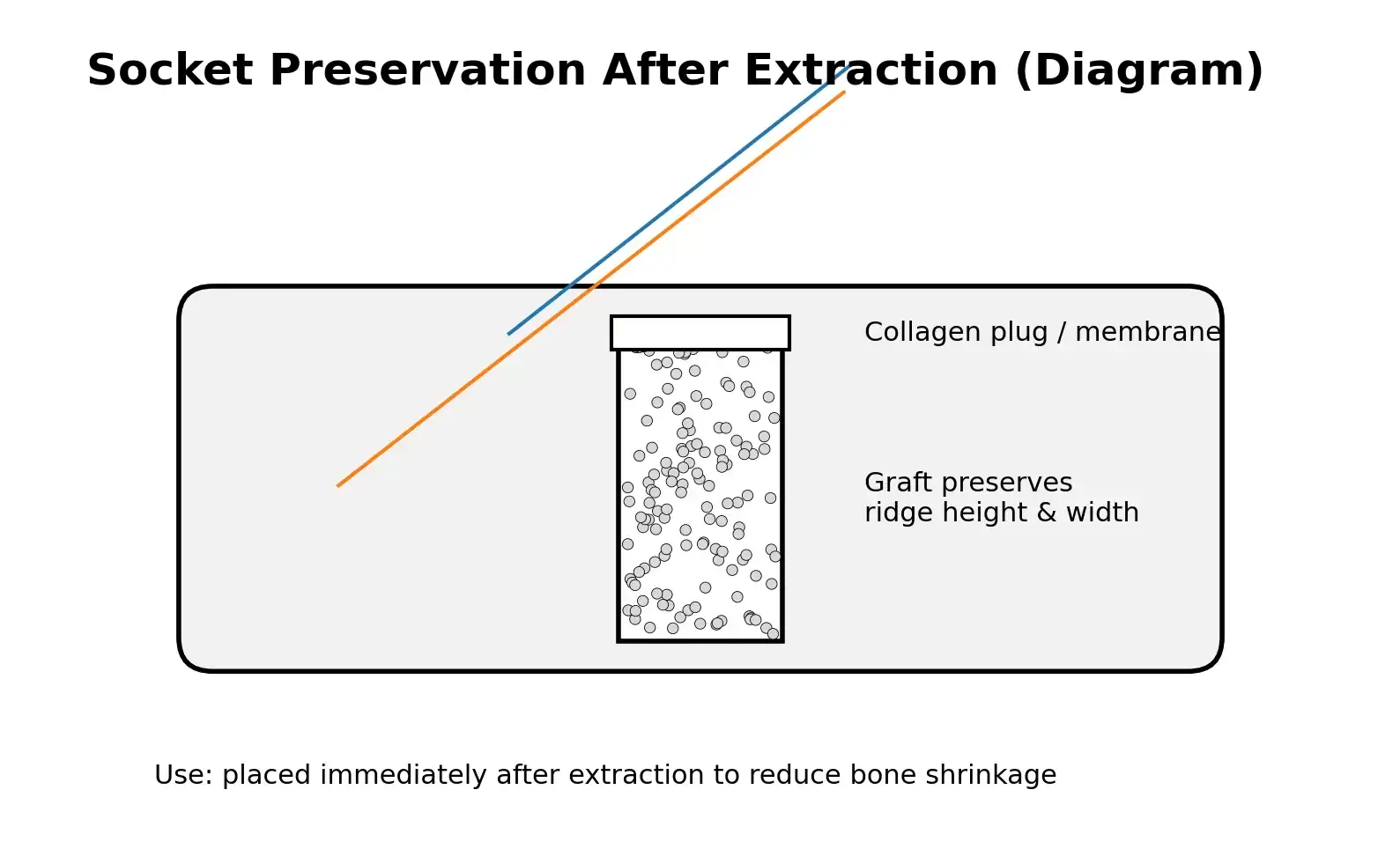
When a tooth is removed, bone loss begins almost immediately. Socket preservation places a bone graft into the extraction site to maintain ridge height and width—especially important for patients planning future
dental implants in Greenville, NC.
2) Ridge Augmentation
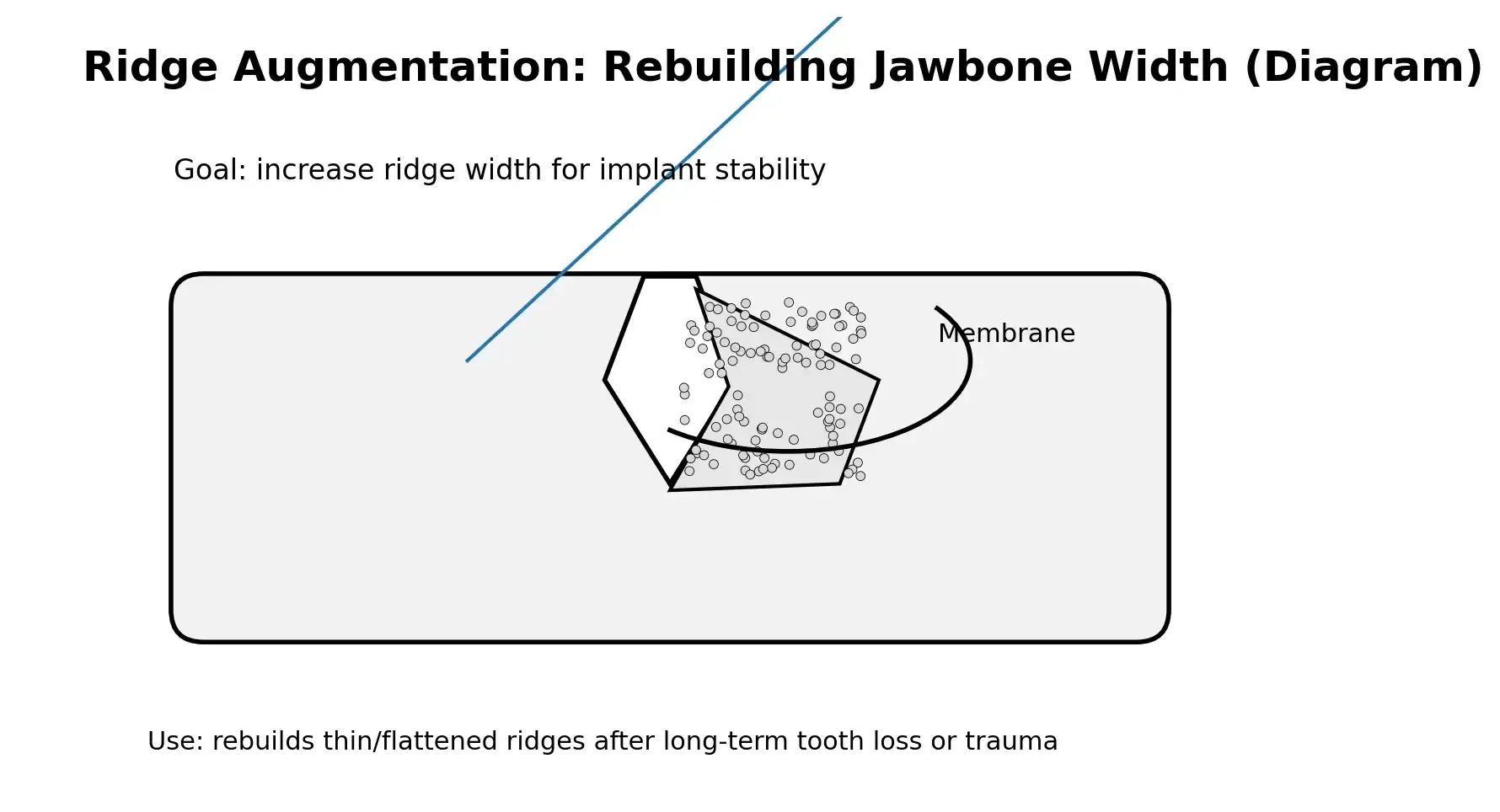
If a tooth has been missing for many years, the jawbone may become too thin or flat. Ridge augmentation rebuilds the bone so it can properly support an implant-supported restoration.
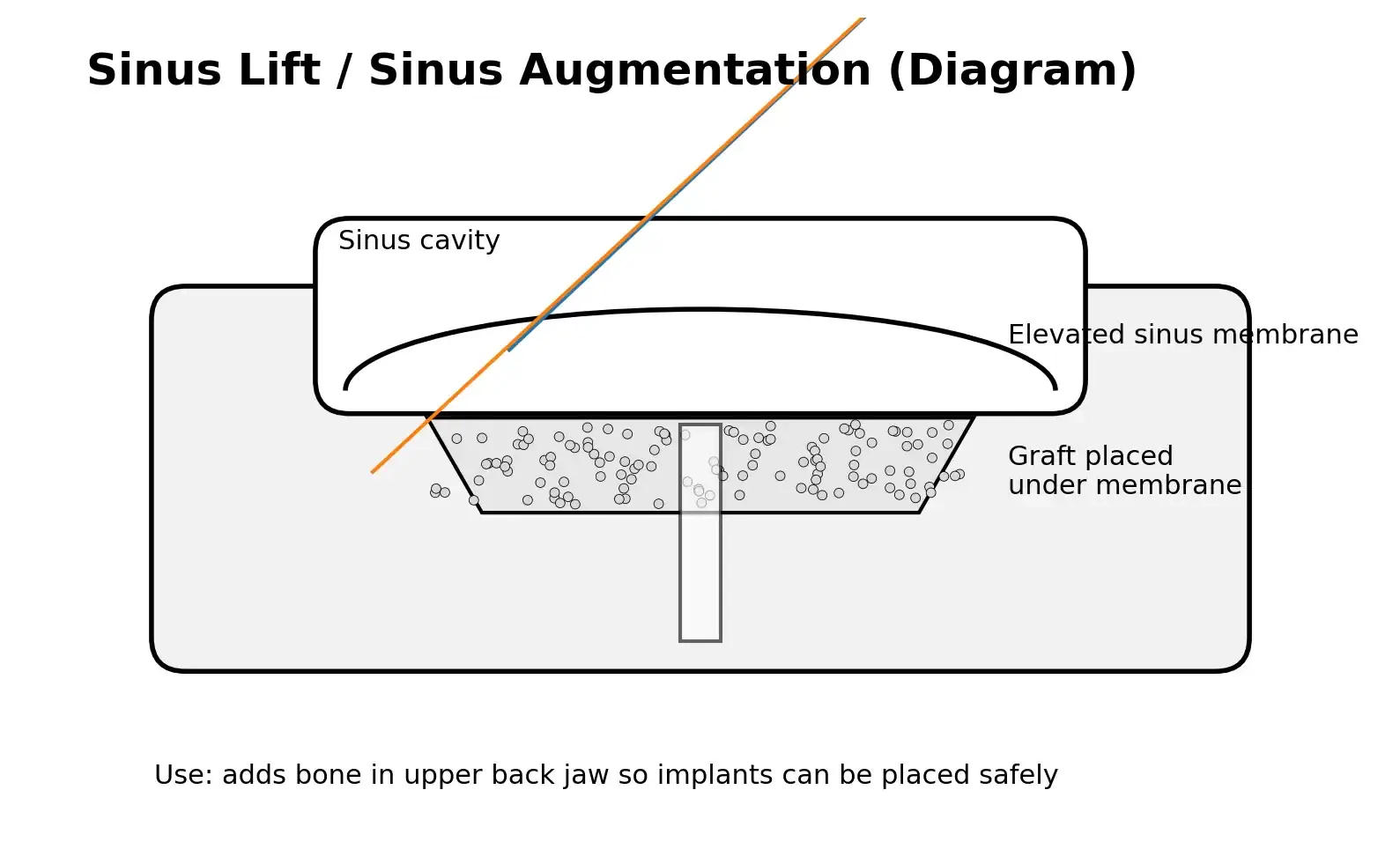
3) Sinus Lift (Sinus Augmentation)
In the upper back jaw, sinus cavities often limit available bone. A sinus lift gently raises the sinus membrane and places bone graft material beneath it, creating adequate bone for upper-jaw implants.
4) Periodontal Bone Grafting (Gum Disease-Related Bone Loss)
For patients with advanced gum disease, periodontal bone grafting may help rebuild bone support around natural teeth. Many patients also benefit from periodontal therapy such as scaling and root planing to reduce infection and protect supporting bone.
What to Expect During Healing
Bone grafting procedures at Pruitt & Earp Dentistry are performed with patient comfort in mind. Healing times vary depending on the size of the graft, but most patients experience mild soreness and swelling that resolves within a few days.
- Short-term: mild swelling and tenderness are common.
- Bone integration: gradual formation of new bone occurs over time.
- Final restoration: once healed, the area may be ready for an implant or other restoration.
Following your dentist’s post-op instructions (medications, hygiene, diet, and follow-up visits) is one of the biggest factors in a smooth recovery.
Are Dental Bone Grafts Safe?
Yes. Dental bone grafting is a well-established and safe procedure when performed by experienced dental professionals. As with any procedure, there are risks (such as infection or delayed healing), but complications are uncommon when aftercare instructions are followed.
Frequently Asked Questions About Dental Bone Grafts
Do I always need a bone graft for a dental implant?
Not always. Some patients have enough natural jawbone for implant placement, while others need bone grafting due to bone loss, anatomy, or the location of the missing tooth. An exam and imaging can confirm whether grafting is needed.
How long does a dental bone graft take to heal?
Healing time depends on the size and type of graft. Smaller grafts (like socket preservation) may heal faster, while larger grafts (like ridge augmentation or sinus lifts) may take several months before an implant can be placed.
Is bone grafting painful?
Most patients report mild to moderate soreness for a few days, similar to other dental procedures. Your dentist will provide post-op instructions and recommend medications as needed to keep you comfortable.
Can gum disease cause bone loss in the jaw?
Yes. Periodontal (gum) disease can damage the bone that supports the teeth. Treatment such as scaling and root planing may help control infection, and in certain cases regenerative procedures (including grafting) may be recommended.
Bone Grafting in Greenville, NC
At Pruitt & Earp Dentistry, bone grafting helps patients throughout Greenville and Eastern North Carolina restore oral health, preserve jawbone, and qualify for dental implants that may not otherwise be possible.
If you need an evaluation for implants, bone grafting, or extractions, our team will guide you through each step—from diagnosis to long-term maintenance.
Call today or request an appointment to discuss your options for rebuilding jawbone and restoring your smile.
“`