Fluoride vs Hydroxyapatite Toothpaste: Which Should You Use?
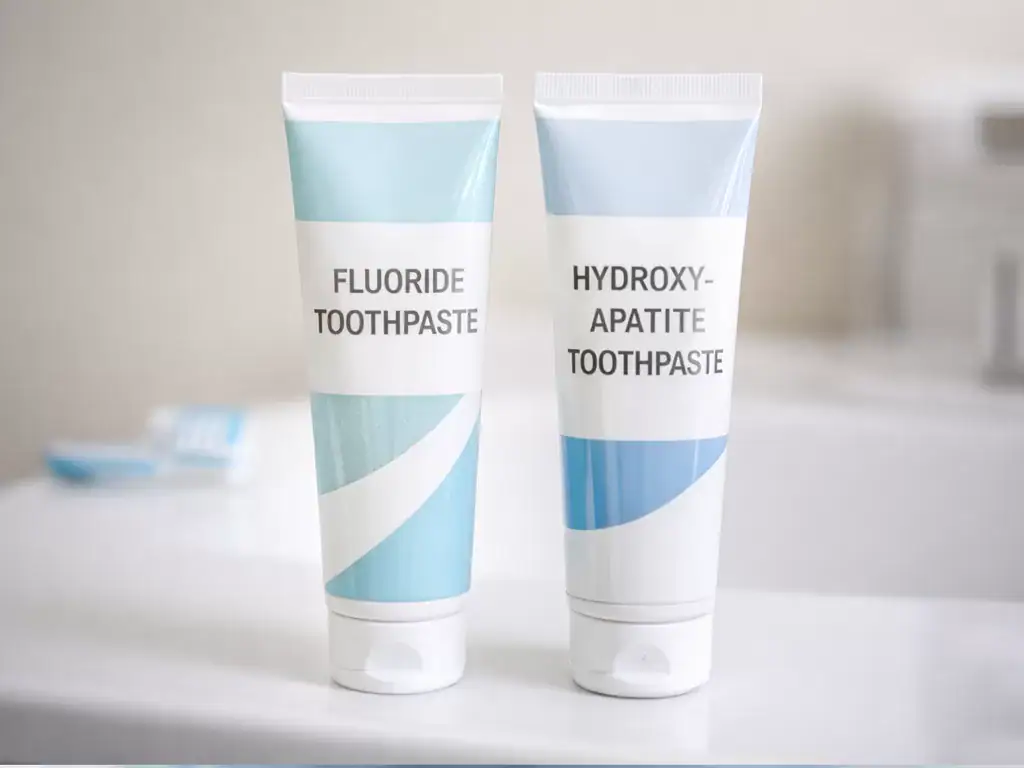
Quick answer: Fluoride toothpaste is widely recommended for cavity prevention and strengthening enamel, especially for patients with higher cavity risk. Hydroxyapatite toothpaste is a fluoride-free option that some people prefer for sensitivity support and enamel care. The best choice depends on your risk level, age, and goals—your Greenville NC dentist can help you choose.
When patients ask, “Should I switch to hydroxyapatite?” or “Is fluoride still the best option?” the answer is usually: it depends. Both approaches aim to support enamel, but they do it differently—and your cavity history matters.
What fluoride toothpaste does
- Strengthens enamel: helps enamel resist acid attacks from plaque bacteria.
- Supports remineralization: can help early weak spots recover.
- Evidence-based: widely used in preventive dentistry for decades.
What hydroxyapatite toothpaste does
- Mineral support: hydroxyapatite is similar to the mineral that makes up tooth enamel.
- Surface smoothing: some formulas aim to fill microscopic defects and reduce sensitivity triggers.
- Fluoride-free option: preferred by some patients who want to avoid fluoride.
Which one is best for you?
Here’s a practical way to think about it:
If you’re higher risk for cavities
Patients who get frequent cavities, have dry mouth, wear orthodontic appliances, snack frequently, or have a history of “between-the-teeth” decay often benefit from a fluoride-based plan. Your dentist may also recommend additional preventive strategies.
If you’re lower risk (or prefer fluoride-free)
If you rarely get cavities and want a fluoride-free routine, hydroxyapatite toothpaste may be a reasonable option. The key is still consistency with brushing, flossing, and regular checkups.
If sensitivity is your main concern
Both fluoride and hydroxyapatite formulas can help depending on the cause of sensitivity. If sensitivity is new, sharp, or worsening, it’s worth an exam to rule out cavities, cracks, gum recession, or bite issues.
Don’t forget the “big drivers” of cavity prevention
- Brush twice daily and clean between teeth once daily.
- Reduce frequent sugar exposure (sipping sweet drinks or grazing all day increases risk).
- Get regular exams and cleanings so early cavities are caught before they get big.
Helpful reading:
Understanding cavities: causes and prevention and
Why regular dental exams and cleanings are important.
FAQs
Can I alternate fluoride and hydroxyapatite?
Some patients do. The best routine depends on cavity risk and sensitivity triggers. If you have frequent cavities, ask your dentist before switching away from fluoride.
What about kids?
Kids should use age-appropriate toothpaste amounts and follow dentist guidance. If you’re unsure what’s best for your child, we can help you choose a safe and effective routine.
Will toothpaste alone prevent cavities?
Toothpaste helps, but cavities are also influenced by diet timing, plaque control between teeth, dry mouth, and preventive visits.
Get a personalized recommendation in Greenville, NC
If you want a toothpaste recommendation based on your cavity risk and sensitivity, schedule with Pruitt & Earp Dentistry:
Contact us.
Medical disclaimer: This article is educational and not a diagnosis. Product recommendations should be individualized.